
The Best Japanese Sweet Potatoes in Tokyo: Tokyo Unagiimo Store in Togoshi Ginza

Togoshi Ginza in Shinagawa, Tokyo, is one of the city’s most beloved shopping streets, a bustling 1.3-kilometer stretch filled with local food stalls, cozy cafes, and specialty shops that capture the nostalgic charm of old Tokyo.

Among these small treasures sits a particularly intriguing shop: Tokyo Unagiimo Store, a sweet-potato-focused dessert shop with a story as unusual as its name. If you are looking to find the best Japanese sweet potato in Tokyo, read on.
Japan’s Love of Sweet Potatoes Explained
Sweet potatoes, or satsumaimo in Japanese, have been part of Japan’s food culture for more than 300 years. They were introduced to Japan by China in the early 18th century and soon became a reliable crop, prized for growing well even in poor soil. During hard times, especially in the Edo and post-war periods, sweet potatoes literally helped people survive.

But over the past few decades, sweet potatoes have evolved far beyond being a survival food. Thanks to advances in cultivation and storage, Japanese sweet potatoes today are celebrated for their natural sweetness and soft texture, making them one of the most popular seasonal treats each autumn and winter.
Varieties and Flavors of Japanese Sweet Potatoes
Japan grows dozens of sweet potato varieties, each with its own flavor and texture.
Some, like Beniharuka, are intensely sweet and creamy when roasted; others, like Silk Sweet or Anno-imo, have a melt-in-your-mouth consistency.

There are also “hoku-hoku” (fluffy and dry) types and “nettori” (moist and sticky) ones, two major texture profiles that fans passionately debate over.
Japanese Sweet Potato Based Sweets
Beyond the simple baked sweet potato (yaki-imo), Japan has developed an entire culture around sweet-potato desserts: daigaku-imo (candied sweet potatoes), imo-kenpi (crispy sweet-potato sticks), sweet-potato tarts, puddings, ice cream, and even Mont Blanc cakes made with sweet-potato paste. During autumn, many cafes and convenience stores release limited-edition imo sweets, and “sweet-potato season” has become a highly anticipated time of year.

In recent years, a new trend has emerged, the rise of “brand-name sweet potatoes” that emphasize origin, cultivation methods, and sugar content, similar to how people appreciate wine or coffee.
This is where Tokyo Unagiimo Store comes in with their brand-name Unagiimo sweet potato.
The Story Behind “Unagiimo”: From Eel Bones to Sweet Potatoes
Unagiimo is a brand-name sweet potato developed in Hamamatsu, Shizuoka Prefecture, a region known for another local specialty, unagi, or freshwater eel. The name “Unagiimo” literally combines “unagi” (eel) and “imo” (sweet potato), and it’s not just a marketing gimmick.

The farmers who grow the sweet potatoes for Tokyo Unagiimo Store use eel remains, including the bones, heads, and other parts left over from eel processing, as fertilizer. These remains are rich in nutrients, and when properly composted, they help create fertile soil that produces rich, flavorful sweet potatoes.
How do Unagiimo’s Sweet Potatoes Taste?
The sweetness of the unagiimo sweet potato is remarkable; when roasted, the sugar content can exceed 40 degrees Brix, which is exceptionally high even by Japanese standards. The result is a sweet potato with deep, caramelized sweetness and a smooth texture that needs no added toppings like sugar or butter.

Beyond flavor, Unagiimo carries a strong sense of place. It represents Hamamatsu’s creativity, environmental awareness, and community spirit, transforming local resources into something delicious and meaningful. The store also serves as a cultural bridge between Shizuoka and Tokyo. By opening in Togoshi Ginza, the Unagiimo brand reaches a wider audience while maintaining its connection to the farmers and producers back in Hamamatsu.
The Unagiimo Store in Togoshi Ginza: Bringing a Regional Japanese Sweet Potato to Tokyo
To share this local delicacy, the Unagiimo Store in Tokyo opened in the heart of Togoshi Ginza Shopping Street. The shop is located around the middle of the shopping street, making it a perfect stop during a food stroll.

Unlike a traditional sweets shop, Unagiimo Store focuses entirely on products made from Unagiimo, roasted sweet potatoes, desserts, and snacks that showcase the ingredient’s natural flavor. It’s both a cafe and a takeaway spot, catering to visitors who want to enjoy something sweet while walking through the lively shopping street.
What to Try at Unagiimo Store
Unagiimo Mont Blanc Soft Serve
This is arguably the shop’s most famous item. It features creamy vanilla soft-serve ice cream topped with silky strands of Unagiimo paste, piped in the shape of a Mont Blanc mountain.

The sweetness of the potato contrasts beautifully with the cool, milky base, creating a layered dessert that’s both rich and refreshing. Some versions are finished with a sprinkle of salt, which sharpens the natural sweetness and adds a sophisticated touch.
Cheesecake Unagiimo
If you want to experience Unagiimo in its strongest form, the roasted sweet potato cheesecake is a must. The shop carefully prepares each one in a small cupcake-like shape, making it easy to eat on the go or sitting down. The texture is smooth and creamy, with a bold sweet potato flavor.

Daigaku-imo and Sweet Potato Chips
For something snackable, try the daigaku-imo, cubes of caramel-glazed Unagiimo sprinkled with sesame seeds, or the thin, crispy imo chips. These make great take-home souvenirs, offering a crunchier way to enjoy the brand’s signature sweetness.
Seasonal and Limited Sweets
Depending on the season, you might find Unagiimo puddings, parfaits, or baked sweets available. The store also sells Unagiimo-themed goods, including items featuring “Unamo,” the brand’s cute eel-and-potato mascot, which adds a playful touch to the visit.

The Visiting Experience and Impressions
The Atmosphere
The shop feels warm and welcoming. It’s small but well-designed, with a mix of traditional charm and contemporary simplicity. There’s a takeout window for quick orders and sometimes a few seats inside or outside for those who want to sit down.
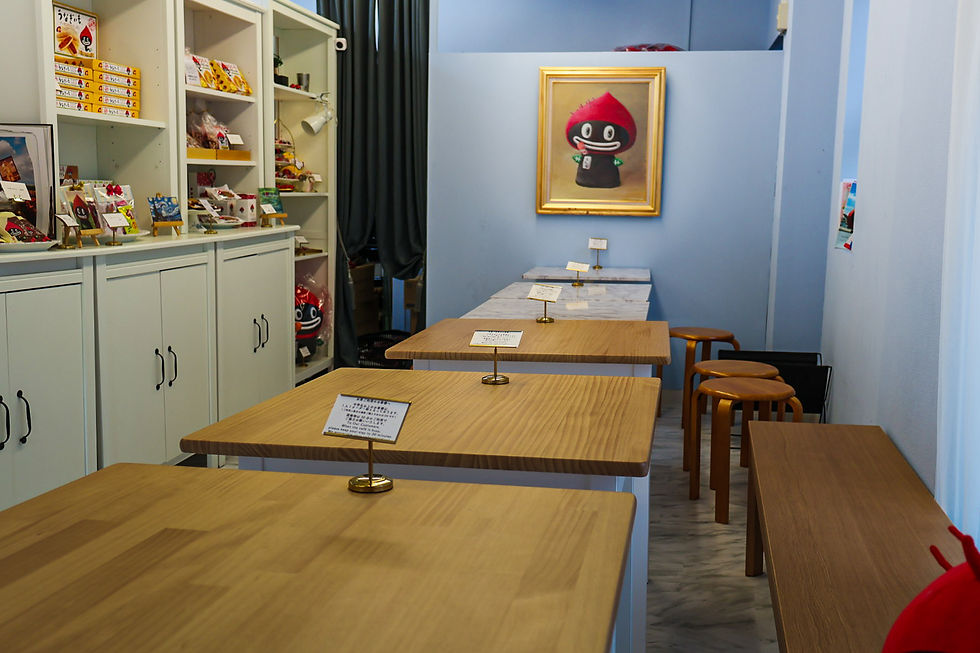
Located in the friendly, down-to-earth Togoshi Ginza shopping street, it’s approachable for everyone, not a luxury patisserie, but a casual spot to discover something new. Because Togoshi Ginza is such a lively area, the energy around the shop adds to the fun. It’s common to see couples, students, and families stopping for a treat mid-walk.
The Taste
Unagiimo’s signature sweetness is rich yet clean. Unlike sugar-heavy desserts, it tastes like something that grew from the earth, naturally complex, with caramel and honey notes. The Mont Blanc soft serve, especially, strikes a beautiful balance between creamy and earthy.
Some might find the sweetness a bit strong if they’re not used to Japanese sweet potatoes, but that’s part of the charm; it’s a dessert that feels indulgent yet wholesome.
Things to Keep in Mind
Because the store is small, popular items (especially the roasted sweet potatoes) can sell out in the afternoon. Visiting earlier in the day is recommended. Prices are reasonable for a specialty dessert shop, more affordable than a fancy Tokyo cafe, but with far more character.

Since Togoshi Ginza is known for its “tabearuki” (food-walking) culture, and Unagiimo desserts fit perfectly into that casual, on-the-go experience.
Final Thoughts
Tokyo Unagiimo Store in Togoshi Ginza isn’t just another dessert spot; it’s a place where a local agricultural story meets urban food culture. Every bite carries a narrative: about farmers who turned eel waste into gold, a community that values sustainability, and the Japanese passion for transforming simple ingredients into artful experiences.
If you find yourself wandering through Togoshi Ginza, take a moment to stop by Unagiimo Store for unique sweet potato treats while strolling through the lively shopping street. It’s not just a treat for your taste buds, it’s a small but meaningful connection to Japan’s evolving food story, where tradition, sustainability, and sweetness meet.


