
Tokyo Food Neighborhoods: A Cheat Sheet for Where to Eat

Tokyo doesn’t have one food scene. It has dozens. The city is so vast, so layered, and so relentlessly good at feeding people that where you happen to be standing often determines what you should be eating. The gap between neighborhoods can feel like the gap between entirely different cities.

Think of this as your Tokyo food neighborhoods cheat sheet: six areas, six distinct personalities, and a clear sense of what to go after in each one!
-----
Shinjuku: The Beating Heart
If Tokyo is one of the world’s great food cities, Shinjuku is where that reputation earns its neon-lit proof. Think Blade Runner aesthetics — massive, chaotic, alive at all hours — and then think about how much of that energy channels itself into eating and drinking. The area around Shinjuku Station and its surrounding stations, like Shinjuku-Sanchome, is enormous, which means the options are absurdly varied.

Shinjuku is known as a ramen battleground, and that reputation is anchored by Shima, one of Japan’s top-ranked ramen shops. It draws serious pilgrims and sets the bar for everything nearby. But ramen is just the beginning.

Omoide Yokocho — a narrow, smoky alleyway of tiny eateries — is touristy by now, but still worth experiencing at least once for the atmosphere alone. Push deeper into the surrounding streets and you’ll find izakayas, standing bars, and larger restaurants clustered around department stores like Takashimaya Times Square. Above ground, underground, packed into basements, tucked into side streets — Shinjuku keeps going long after everywhere else has called it a night.

Shinjuku is Best for: Ramen hunters, late-night eaters, and anyone who wants every option open at once.
-----
Shibuya: Everything, Just a Little More Polished
Think of Shibuya as Shinjuku’s slightly more put-together younger sibling. Less gritty, more recently renovated, with a wave of sleek new buildings and food complexes that have made it feel increasingly modern. But don’t mistake polish for a lack of depth. Walk a few minutes from the iconic crossing and the touristy, higher-priced bubble pops quickly.

Head toward Shoto or Sakuragaoka and you’ll find a quieter, more residential side of Shibuya that most visitors never see — small local restaurants and none of the chaos of the crossing. Big complexes like Miyashita Park or Sakura Stage, meanwhile, pack in a range of restaurants across their floors.

And directly below the station, the Tokyu Food Show is one of Tokyo’s great underappreciated food stops: a compact but remarkably well-curated basement market where the crowds thin out compared to larger depachika elsewhere. Look for taiyaki (the fish-shaped cakes filled with red bean or custard), fruit sandwiches, and the egg sandwiches that Tokyo has quietly made into an art form.
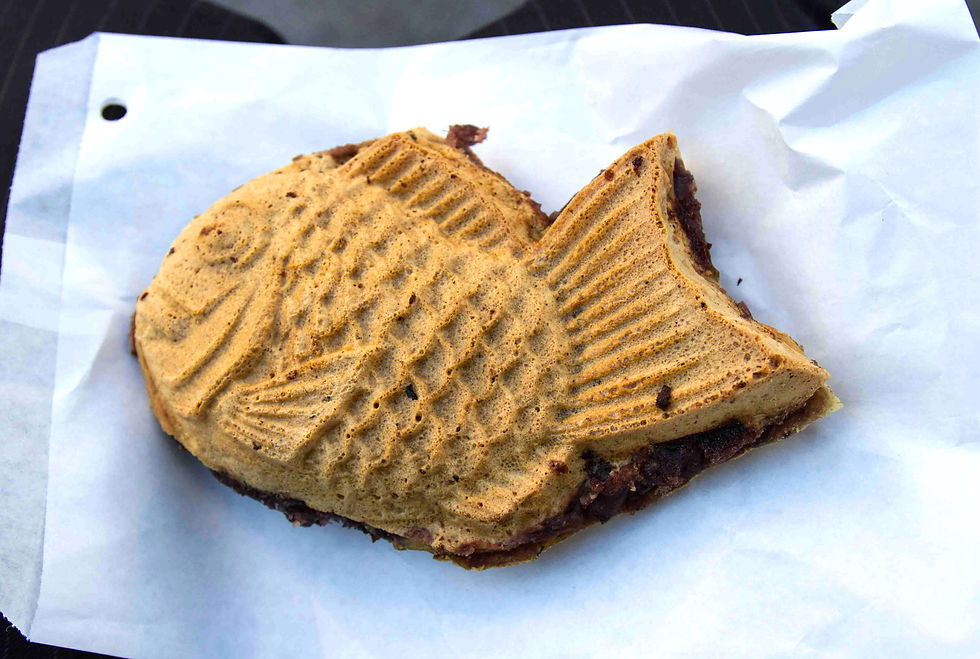
Shibuya is Best for: Food explorers willing to wander beyond the crossing, depachika (department store basement) lovers, and anyone who wants Shinjuku’s variety with slightly calmer surroundings.
-----
Asakusa: Old Tokyo, Still Delicious
Asakusa is where Japan looks the way people imagine it before they arrive — traditional architecture, rickshaws, the sweeping gate of Sensoji Temple. The food matches the setting. This is a neighborhood that skews heavily Japanese: old-school sushi restaurants, tonkatsu specialists, tempura shops that have been doing the same thing for generations.
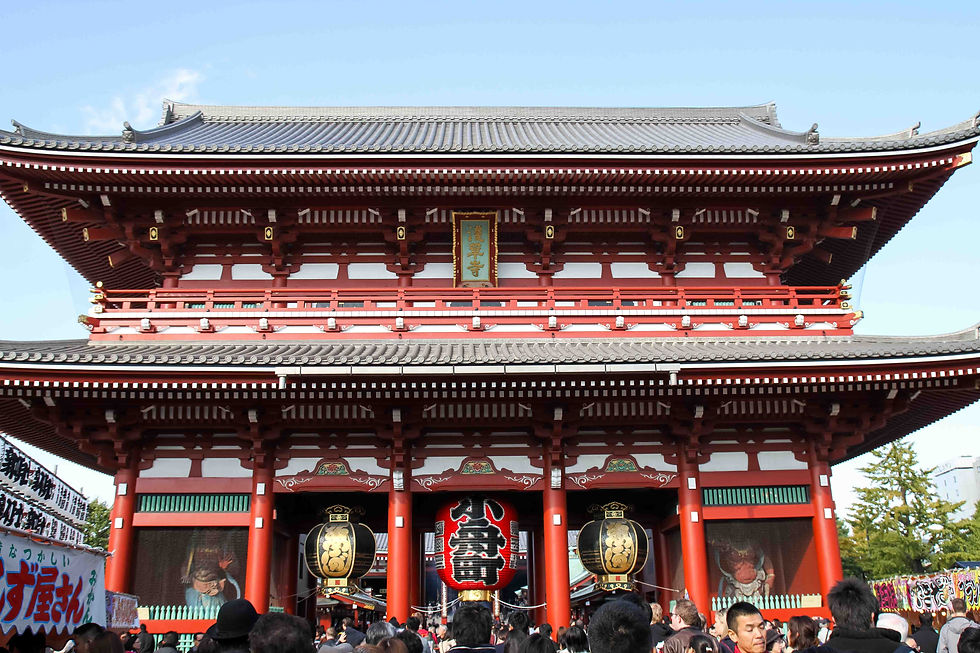
International cuisine exists in Shinjuku and Shibuya; in Asakusa, it does, but in much smaller quantities. The other thing Asakusa does that few other Tokyo neighborhoods can match is street snacking.

The lanes around Sensoji offer the kind of small, walkable bites — a matcha drink here, a piece of standing sushi there — that feel genuinely rooted in the neighborhood rather than manufactured for tourists. It’s not Osaka-level street food culture, but it’s the closest Tokyo gets, and the setting makes it worth every bite.

Best for: Traditional Japanese food, atmospheric eating, and small bites near one of Tokyo’s great temples.
-----
Tsukiji / Ginza: From the Market to the Michelin Stars
These two neighborhoods sit side by side and couldn’t feel more different — which is exactly what makes the pairing interesting.

Tsukiji’s famous inner market is gone, but the outer market lives on, and it remains one of Tokyo’s essential early morning food experiences. The stalls open at dawn and the crowds follow, drawn by fresh seafood in every form imaginable — but also by things you might not expect: giant grilled shrimp, thick slices of wagyu beef, tamagoyaki rolled to order. It’s gotten more touristy over the years, and prices have crept up, but the energy and the quality are still there for those who show up early enough.

A short walk away, Ginza is Tokyo’s most glamorous shopping and dining district — high-end Japanese cuisine, celebrated chef restaurants, the kind of places that require reservations months in advance. Between these two areas, you can move from market snack to Michelin-starred meal in the span of a single afternoon.

Tsukiji / Ginza is Best for: Early risers, seafood lovers, and anyone who wants to move from market-fresh bites to a proper high-end dinner in the same afternoon.
-----
Yanaka: The Neighborhood That Remembers
Yanaka (and the surrounding area of Yanesen) often gets compared to Asakusa. Both are old Tokyo, both have a quieter, more traditional feel — but Yanaka is something different. Where Asakusa draws tour groups, Yanaka draws locals. It’s residential, genuinely lived-in, and the shopping street of Yanaka Ginza (not to be confused with Ginza) still feels like it belongs to the people who actually live there.

The food on that street reflects the neighborhood: honest, unfussy, not particularly trendy. Look for warabimochi — a soft, traditional sweet dusted in kinako powder — along with whatever the small family-run shops happen to be making that day.

There’s no single dish that defines Yanaka, which is part of its charm. Eating here is less about the specific thing on your plate and more about the experience of eating in a part of Tokyo that hasn’t been designed for visitors.
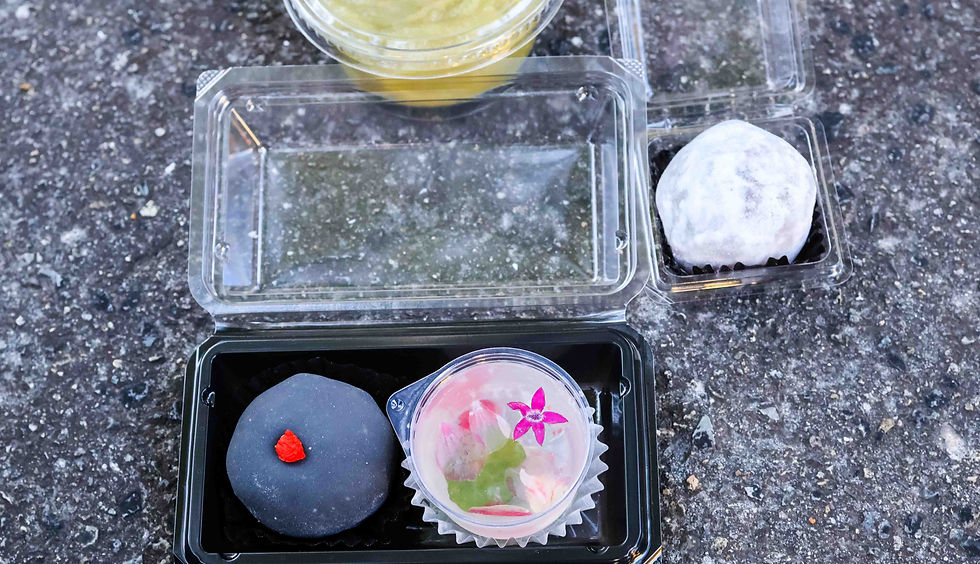
Best for: Slow mornings, traditional sweets, and a genuine sense of what Tokyo neighborhood life actually looks like.
-----
Jinbocho: The Insider’s Lunch Spot
Most visitors never make it to Jinbocho, and that’s entirely their loss. Known for its bookshops, its skiing and snowboard stores, and its decidedly un-touristy atmosphere, Jinbocho is fundamentally an office neighborhood.
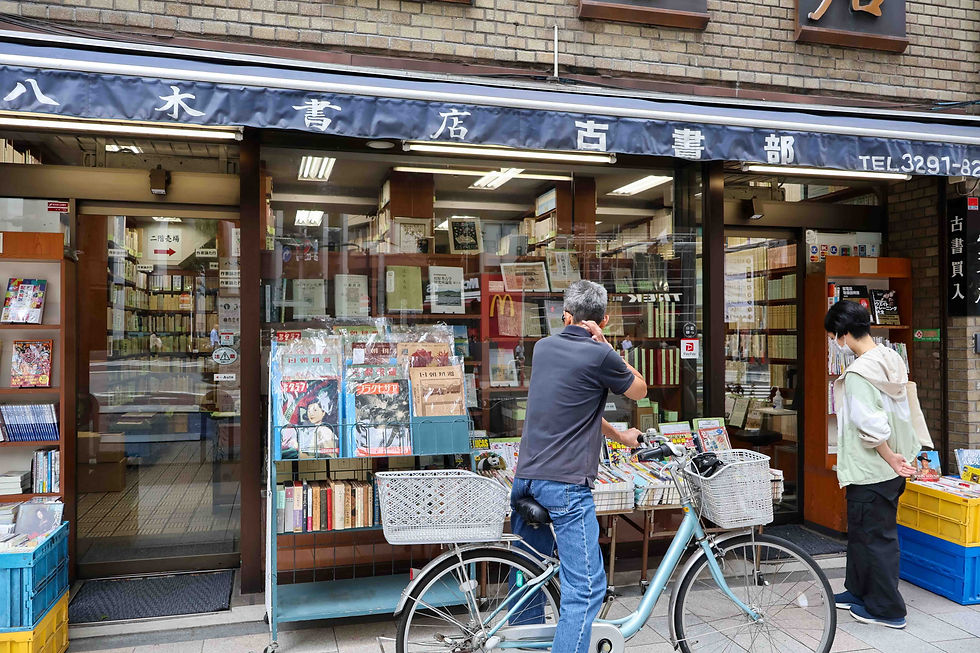
Think of salarymen and students who need to eat well without spending much, which has quietly turned it into one of Tokyo’s best destinations for two specific things: curry and ramen.

The curry scene here is serious. Japanese curry and spice curry both have strong representation, and the neighborhood even hosts curry competitions that draw chefs from across the city. The ramen shops are equally good. None of it is trying to impress anyone. The prices are honest, the portions are solid, and the places have mostly been around long enough to know exactly what they’re doing.
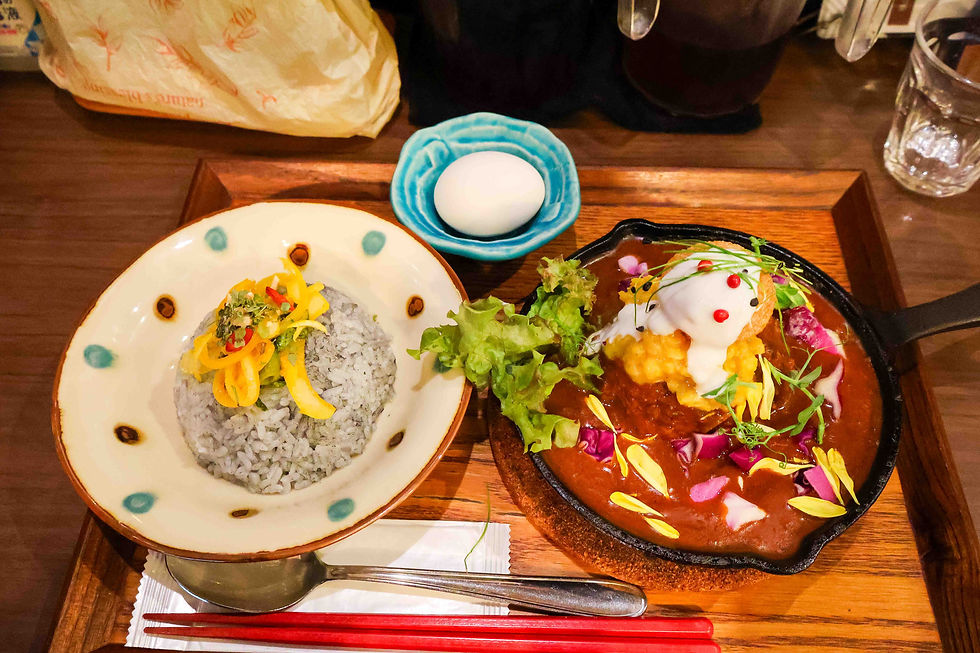
Best for: Curry obsessives, ramen fans, and anyone who wants to eat brilliantly without the crowds or the markup.
-----
Tokyo Food Neighborhoods - How to Use This Guide
The biggest mistake most visitors make in Tokyo is traveling across the city for a single meal. With a subway system this efficient and food this good in every direction, the better move is almost always to eat where you already are — or where you’re planning to be. Use this cheat sheet by neighborhood, not by dish. Figure out where your day is taking you, then let the area tell you what to eat.

And if you want to go deeper — with a local guide who knows the streets, the stalls, and the stories behind them — our Tokyo food tours are built exactly for that.


