What to Eat in Ginza: A Full Day of Food Beyond the Boutiques

Ask most people what to eat in Ginza and they'll probably draw a blank — this is where people picture flagship boutiques and price tags that don't need to be asked, not a food destination.

What to Eat in Ginza
What doesn't always make it into the guidebooks is that underneath all that polish, Ginza is one of the most food-dense neighborhoods in Tokyo — department store basements, old-school coffee, ramen that couldn't care less about dress codes, even a taste of other prefectures a few blocks from the flagship stores. Here's how to spend a full day eating your way through it.

Morning: Coffee the old-fashioned way
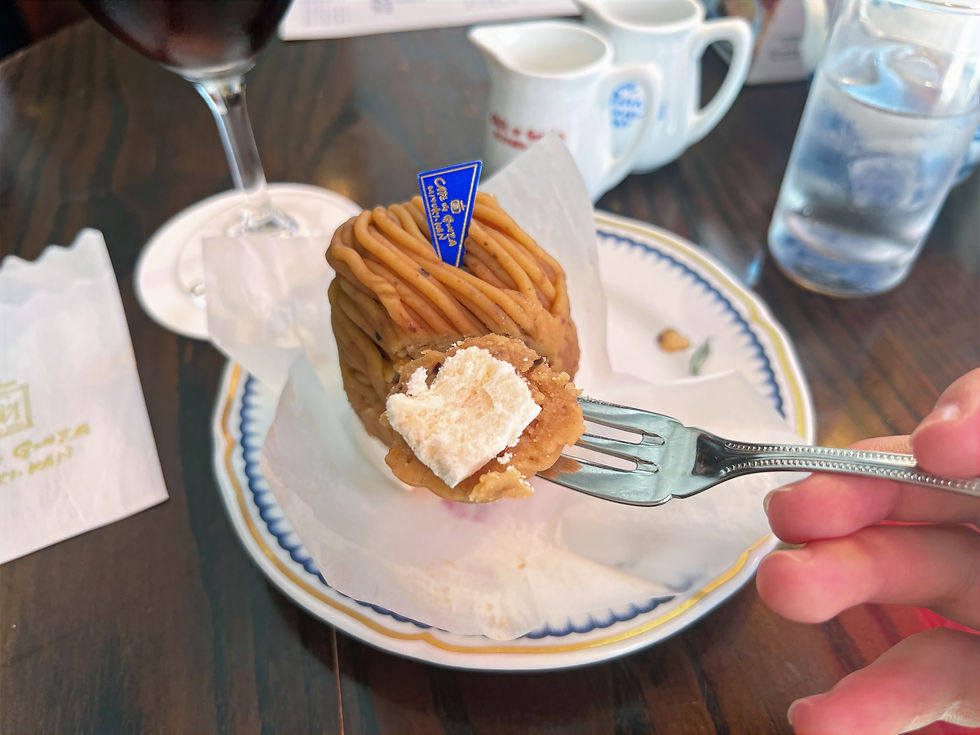
Start slow, the way Ginza intended long before espresso bars arrived. The neighborhood's kissaten (old-school coffee) culture runs deep — Café Paulista, for one, has been pouring coffee here since 1911. We've written a full guide to two of our favorite spots if you want to make a proper stop of it. But even a quick coffee at one of these old-school cafés is worth working into your morning before the streets fill up.

Midday: Basement treasure hunting (and a bowl of ramen if you'd rather sit down)
Head underground. The basement floors of Mitsukoshi Ginza and Matsuya Ginza — known as depachika — are food halls in the truest sense. They have rows of counters selling everything from elaborately packaged sushi and wagyu bento to pastries from French patisseries with outposts here. It's an easy, wander-and-graze way to put together lunch, and the presentation alone is worth the trip downstairs.

If you'd rather sit down, Ginza's ramen scene proves the neighborhood isn't only about price tags. For something light, Ginza Tanmen serves a clean, vegetable-forward tanmen that's rare to find elsewhere in the city — order it with a pat of butter stirred in for richness.

For something punchier, Kyoraku's shoyu ramen brings more depth and saltiness to the bowl. And if you want the heaviest option in Ginza, Yamachan's tonkotsu (a spot we've covered before as one of the city's best late-night bowls) anchors the other end of the spectrum.
Afternoon: A detour through the rest of Japan
A few blocks from the main shopping streets, Ginza and neighboring Yurakucho quietly host one of Tokyo's best-kept secrets: prefecture antenna shops, where regional governments sell their area's specialties direct to the capital.

Hokkaido Dosanko Plaza is a local favorite for its melon soft-serve, while Ginza Washita brings a taste of Okinawa — think tropical produce, awamori, and island snacks you won't find anywhere else nearby. It's a strange, genuinely fun contrast: a few minutes' walk from international luxury brands, and suddenly you're sampling dairy from Hokkaido or seaweed from Okinawa.

Evening: The high end, without the stuffiness
By night, Ginza leans into what it's actually famous for. Kyubey, one of the neighborhood's most storied sushi counters since 1935, is the name that comes up first in almost any serious Tokyo sushi conversation. Dinner here is a proper occasion and reservations are genuinely hard to come by, often requiring a hotel concierge to book weeks out. Lunch is a different story: showing up around 11:30am and joining the walk-in queue is a realistic, no-reservation way to experience it.
For a different kind of high-end meal, Ginza Ibuki offers Michelin-starred kaiseki, with a lunch course running a fraction of what dinner costs for a similar caliber of seasonal, multi-course cooking. Both prove that Ginza's reputation for exclusivity doesn't have to mean unreachable — it just means picking your moment.

Ginza rewards people who look past the window displays. Spend a full day working through its coffee, its basement food halls, its ramen counters, and its dinner tables, and you'll walk away with a very different picture of the neighborhood than the one most visitors leave with.

Ready to explore Ginza with a guide who knows exactly where to go? Our [Full-Day Food Tour] includes a Ginza, Shinbashi & Tokyo Station leg built around exactly this kind of food-first exploration.
Frequently Asked Questions
Is Ginza expensive to eat in?
Not always. Ginza has some of Tokyo's most expensive dining, but its depachika food halls, casual ramen shops, and lunch-set pricing at high-end restaurants make it genuinely accessible at every budget.
What is depachika?
Depachika refers to the basement food floors of Japanese department stores. In Ginza, Mitsukoshi and Matsuya both have excellent ones, packed with everything from sushi and bento to imported pastries.
Can you eat at Kyubey without a reservation?
Dinner reservations are notoriously hard to secure, often requiring a hotel concierge. Lunch is more accessible — arriving around 11:30am and joining the walk-in queue is a realistic way to experience it without booking ahead.
What is a prefecture antenna shop?
Antenna shops are stores run by Japan's regional governments to sell their area's specialty foods and products directly in Tokyo. Ginza and neighboring Yurakucho have several, including ones representing Hokkaido and Okinawa.
What is a kissaten?
A kissaten is an old-school Japanese coffee shop, often predating the espresso bar era by decades. Ginza has a particularly strong kissaten scene, with some spots dating back over a century.