
Tempura in Asakusa: Classic, Modern, and Fancy

Asakusa is one of Tokyo’s most historic neighborhoods. Beyond its lantern-lit streets and the famous Senso-ji temple, it’s a place where food traditions run deep.

Among its culinary gems, tempura stands out as a dish that has evolved over the centuries, from simple fried fish stalls in the Edo period to modern reinterpretations that combine tradition with innovation. While many restaurants serve tempura, three spots in Asakusa showcase how the dish can be enjoyed today: a classic establishment that preserves history, a modern spot with inventive twists, and a fancy restaurant that elevates tempura into refined dining.
What Makes Tempura Special:
Tempura is often called “Japanese fried food,” but it’s very different from fried chicken or tonkatsu; the secret lies in batter, technique, and timing. Traditional tempura batter is made with cold water, flour, and sometimes egg, mixed minimally to stay light and airy. Some modern versions use rice flour, which gives an even crispier texture.

Frying is done in oil at a precise temperature, usually around 170–180°C (340–355°F). The goal isn’t to overpower the ingredients but to create a thin, delicate shell that enhances the natural flavors of seafood or vegetables. Many top tempura restaurants fry each piece individually and serve it immediately, ensuring a contrast between a crisp exterior and a tender interior.
Accompaniments, like tentsuyu sauce (dashi, soy sauce, mirin) or a pinch of salt, highlight rather than mask the flavors. Tempura is about balance, subtlety, and freshness, celebrating the ingredient inside rather than the batter itself.

In short, tempura isn’t just fried food; it’s a carefully crafted dish where light batter, precise frying, fresh ingredients, and timing come together to create a delicate yet flavorful bite.
Classic Recommendation — San-Sada 天ぷら 三定:
If you want to taste tempura as it was originally enjoyed, San-Sada is the place to go. Established in 1837, it is one of Japan’s oldest tempura restaurants. It began as a small street stall selling fried fish during the Edo period, when tempura was emerging as a popular street food. Nearly two centuries later, San-Sada remains remarkably faithful to that heritage.
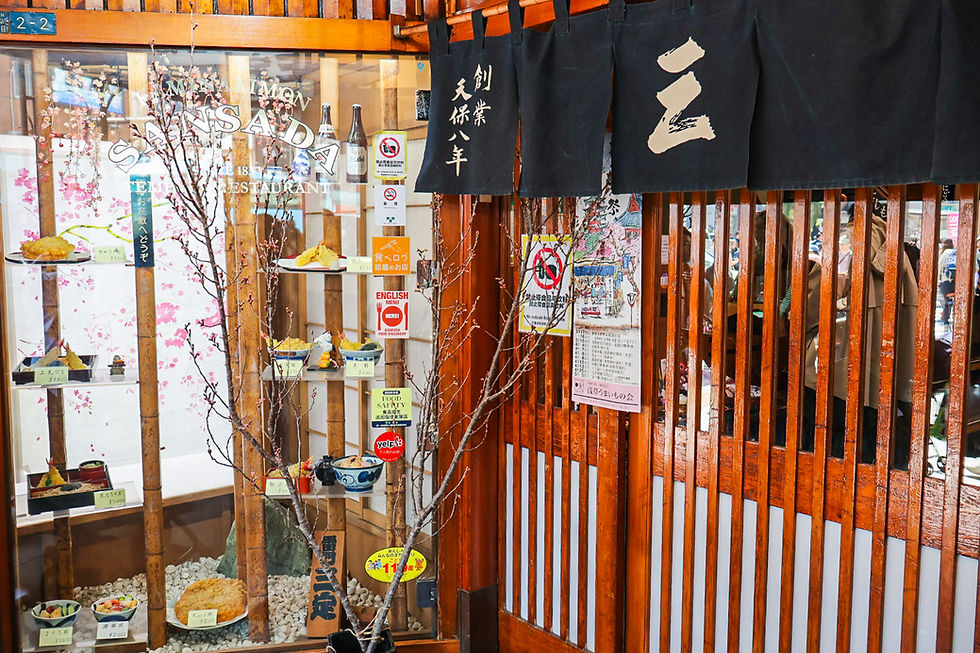
One defining feature is the use of sesame oil for frying, which gives the batter a richer aroma and a slightly darker color than the light, airy tempura common in modern shops.
The menu focuses on traditional dishes like tendon (tempura over rice) and kakiage (mixed vegetable and seafood fritters), each prepared individually to order. The result is simple, flavorful, and nostalgic; a direct connection to Edo-era cuisine.

San-Sada earns its “classic” label because it’s all about preservation. The restaurant doesn’t chase trends; it exists to maintain the techniques, flavors, and spirit of the original tempura.
Cool fact: San-Sada’s tempura is darker and more sauce-forward than many modern versions, reflecting how Edo-period diners preferred bold, savory flavors.
Modern Recommendation — Tencha 浅草天ちゃ:
While San-Sada celebrates tradition, Tencha takes a modern approach to tempura, blending classic techniques with new ideas. A relatively new addition to Asakusa, Tencha is best known for its tempura ochazuke, where freshly fried tempura is served over rice and finished with warm dashi broth. The broth softens the batter slightly, creating a comforting mix of textures that differs from the usual crisp-only experience.

Tencha emphasizes experience and immediacy. Diners sit at the counter and eat each piece straight from the fryer, which enhances the aroma, crunch, and overall enjoyment. It also opens early for breakfast and brunch which is unusual for a tempura-focused spot, making it accessible for travelers or early risers.

Ingredients are carefully sourced, such as Shiba shrimp from Yamaguchi, and vegetables are cut for consistent texture.
Cool fact: The ochazuke format transforms the batter’s texture, combining crisp edges with a tender, broth-soaked interior making it a completely different experience from standard tempura.
Fancy Recommendation — Tempura Asakusa SAKURA:
For an upscale tempura experience, Tempura Asakusa Sakura elevates the dish to haute cuisine. Opened in 2024, it combines traditional frying techniques with modern sensibilities, global flavors, and dietary considerations. The restaurant offers gluten-free batter, halal options, and premium ingredients like wagyu beef and live tiger prawns.

Sakura focuses on presentation and precision. Each course balances flavor, texture, and visual appeal. Dining is quiet and intimate, encouraging guests to appreciate the craftsmanship behind every piece. Unlike casual tempura spots, Sakura treats tempura as part of a tasting menu, giving it the attention it rarely receives outside high-end dining.

The “fancy” label reflects luxurious ingredients and refinement, not just cost. Sakura respects Asakusa’s culinary history while presenting tempura in a way that appeals to modern, international diners. It’s a bridge between Edo-era techniques and 21st-century expectations. The omakase menu is only available at night but in the afternoon you can try their lunch sets!
Cool fact: The gluten-free rice flour batter creates a lighter, crispier texture, subtly changing the experience of each bite while staying true to the essence of tempura.
Tasting Tempura Across Eras:
Visiting these three Asakusa restaurants gives a unique look at how tempura has evolved:
San-Sada connects you to history, preserving Edo-era techniques and flavors.
Tencha introduces a playful, modern twist to tempura.
Sakura elevates tempura into a refined, high-end experience.
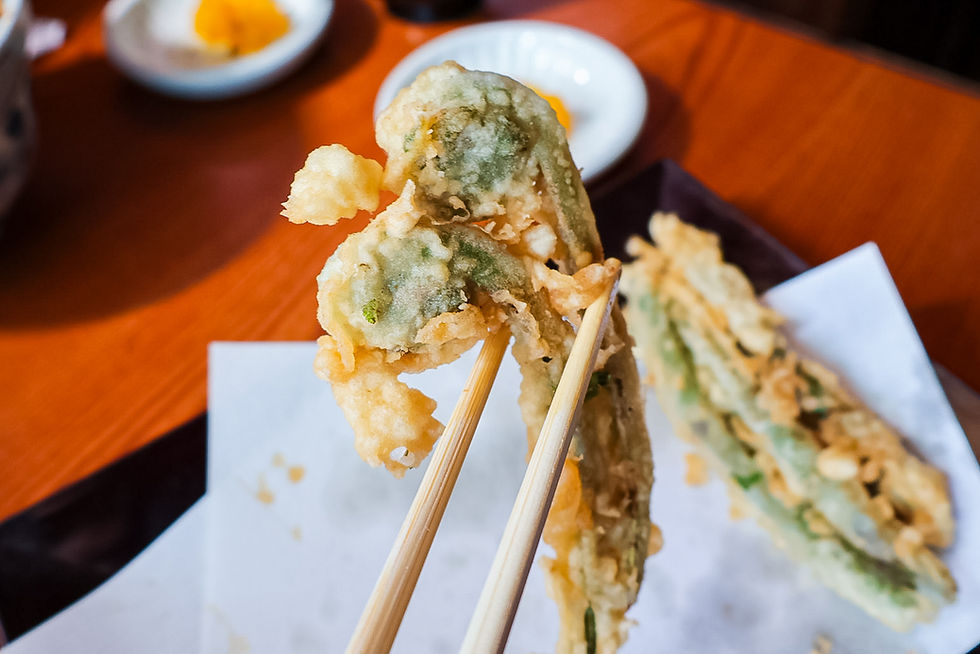
For tempura enthusiasts, in one day you could enjoy a modern breakfast at Tencha, a historical lunch at San-Sada, and finish with a sophisticated dinner at Sakura. This lets you taste tempura as a street snack, a contemporary comfort dish, and a luxurious craft all in the same neighborhood.
Asakusa Tempura Summarized:
Tempura is a living tradition. From sesame oil frying in the Edo period to interactive modern formats and high-end ingredient sourcing today, it reflects both history and innovation. Asakusa proves that tempura isn’t just food but a story you can taste, with something for every kind of diner, from history lovers to modern food adventurers and fine-dining enthusiasts.


